


Ensuring complete structural safety in residential properties is an evolving challenge across London. Whether it’s a period conversion in Islington or a high-rise in Canary Wharf, the same question keeps coming up from homeowners and landlords: is my front door actually compliant?
Between the Fire Safety Act, the Building Safety Act, and the updated Approved Document B, fire door regulation requirements have got a lot more specific. A certified front entrance fire door used to be a nice-to-have for anyone thinking ahead. Now, for a growing number of properties, it’s simply the law.
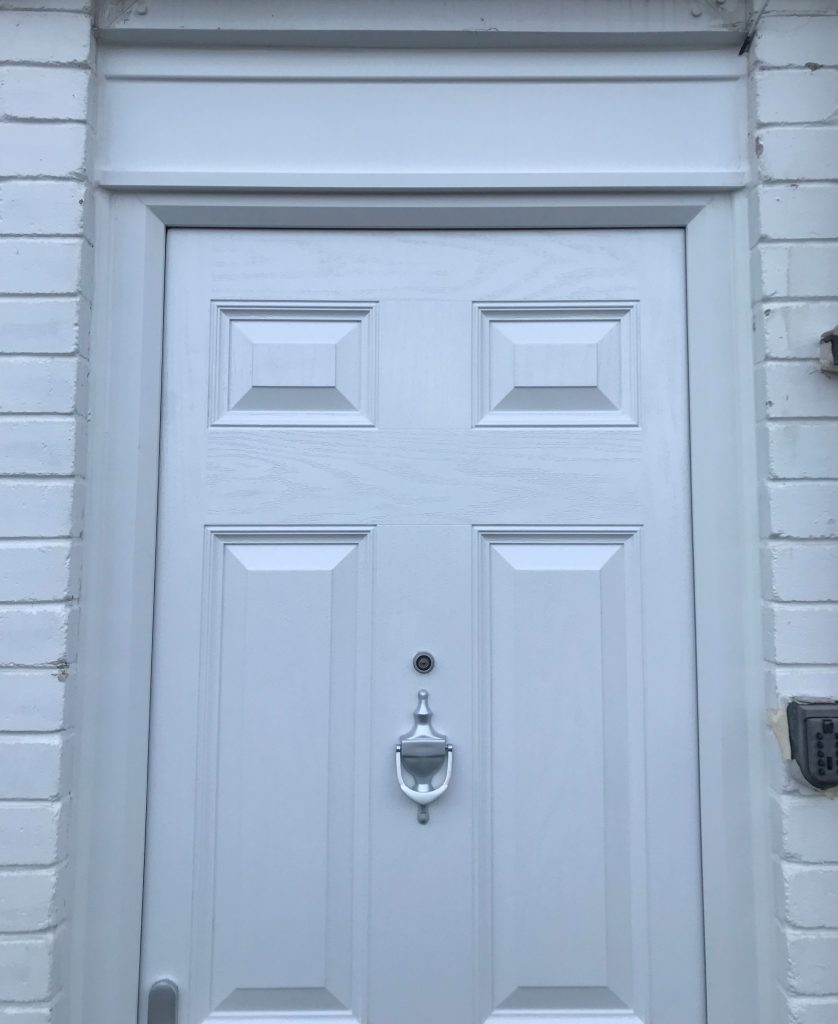
What makes a front entrance door a fire door
The rules on entrance doors have tightened up more than most people realise. Under the Fire Safety Act, a flat’s front entrance door is now explicitly within scope of the building’s fire risk assessment.
Here’s the bit that catches people out: a front entrance fire door isn’t just the door slab itself. The frame, the intumescent strips, the smoke seals, the hinges, the self-closer – all of it has to work together, and all of it has to be certified. Swap out one component for something uncertified and, technically, you no longer have a compliant fire door.
Most domestic front doors need to hit FD30 – 30 minutes of fire resistance – to satisfy Approved Document B. Flats in buildings with commercial units below them sometimes need their entrance door to go further and hit FD60.
Flat entrance doors in blocks and multi-occupancy buildings
If you’re a freeholder or managing agent, this bit affects you directly, because the front door to every flat in the building is now part of your compliance picture.
- Annual checks on the door itself. Flat entrance doors get inspected yearly on a “best endeavours” basis – self-closer working, seals intact, nothing propped open with a fire extinguisher (it happens more than you’d think).
- Certification on file. Every block needs records showing when each flat’s entrance door was fitted, what it’s certified to, and its current condition. No certificate, no proof of compliance.
- Replace, don’t patch. If a door’s certification can’t be verified or it’s been damaged, that’s a replacement job, not a repair one.
An uncertified or badly maintained entrance door is one of the weakest points in a block’s fire strategy, and it’s the freeholder or managing agent who carries the liability if something goes wrong with it.
What private landlords need at the front door
HMO landlords in particular are under a lot more scrutiny than they used to be, and it starts at the door.
For HMOs, FD30 fire doors are required at the entrance to every self-contained letting or bed-sit that opens onto a shared escape route – with proper intumescent strips and cold smoke seals to stop smoke creeping along the corridor before anyone’s even noticed a problem.
The other half of this is tenant behaviour, which landlords are also on the hook for in practice: self-closers left disconnected, entrance doors wedged open for convenience – small things, but they undo everything the door was designed to do. If your rental stock still has older entrance doors, swapping them for a certified front entrance fire door sorts out compliance and tends to keep insurers happier too.
Getting the specification and fitting right
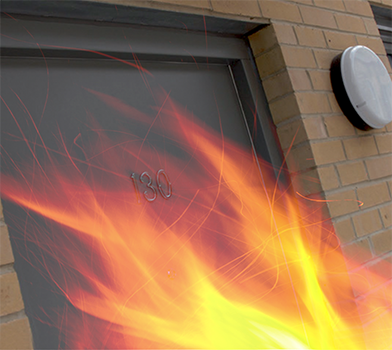
Here’s the thing about front entrance fire doors: buy the right door and fit it badly, and you’ve still failed. The frame, the tolerances, the hardware – it all has to match.
- Check the certification. The door leaf and frame should carry recognised third-party certification – BS EN 13501 or BS 476.
- Mind the gap. LiThe gap between door and frame needs to sit around 3–4mm so the intumescent strips can react properly if there’s a fire.
- Use installers who know what they’re doing. Hardware, glazing, seals, frame – they all need to match the door’s actual fire test evidence, not just look the part.
We fit architectural-grade front entrance doors built for security, thermal performance and proper regulatory compliance.
Talk to Aim Windows about your front entrance door
UK fire door regulation compliance doesn’t need to be a headache, and for us it starts and ends at the front door. Whether you’ve got one flat entrance door to sort out or a whole portfolio of rental properties to bring up to standard, we can help you specify and fit the right front entrance fire door for the job.
Get in touch to talk through what you need:
- Online contact form: Contact Aim Windows
- Telephone: 0207 537 0852
- Email: info@aimwindows.co.uk